
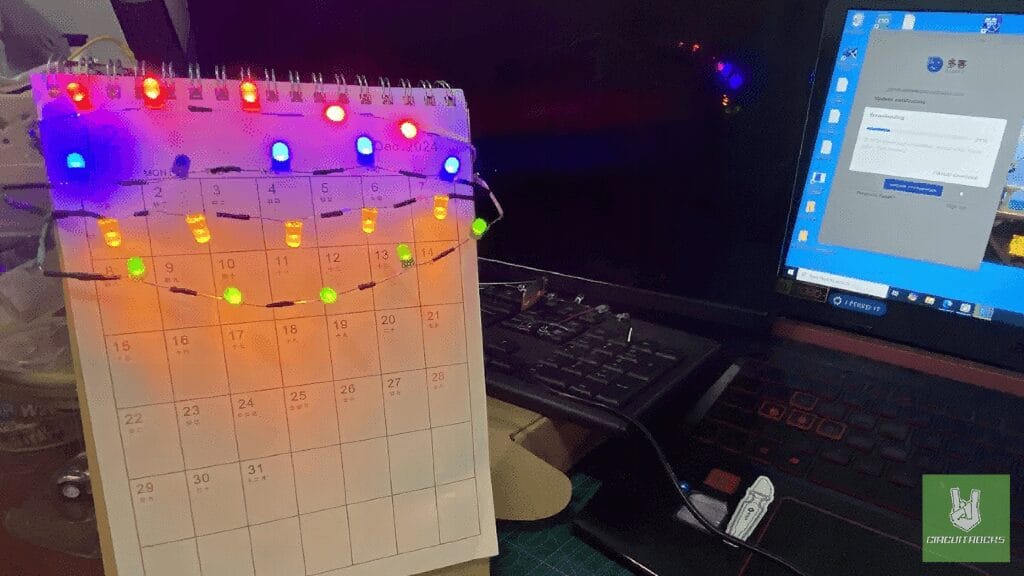
The DIY LED Christmas Calendar is a simple and festive project perfect for spreading holiday cheer. This project uses colorful LEDs to create a glowing holiday design. Each LED lights up to add a magical sparkle, making it a great way to celebrate the Christmas season. The design is straightforward, with LEDs connected in series and parallel. Powered directly by a 12V power supply and resistors to ensure proper current flow.
This project is highly customizable, allowing you to design your calendar creatively. You can arrange the LEDs in patterns that match your holiday decor. With no complex electronics involved, it’s a beginner-friendly project that lets you focus on decorating and crafting. Add sime design glitter, paint, or other festive decorations. To make your calendar uniquely yours and bring a warm, joyful vibe to your space.
Building this DIY calendar is not only fun but also a great way to add to your holiday celebrations. It’s a simple way to combine creativity with the festive spirit. Creating a beautiful and functional decoration that brightens your home.
Components:
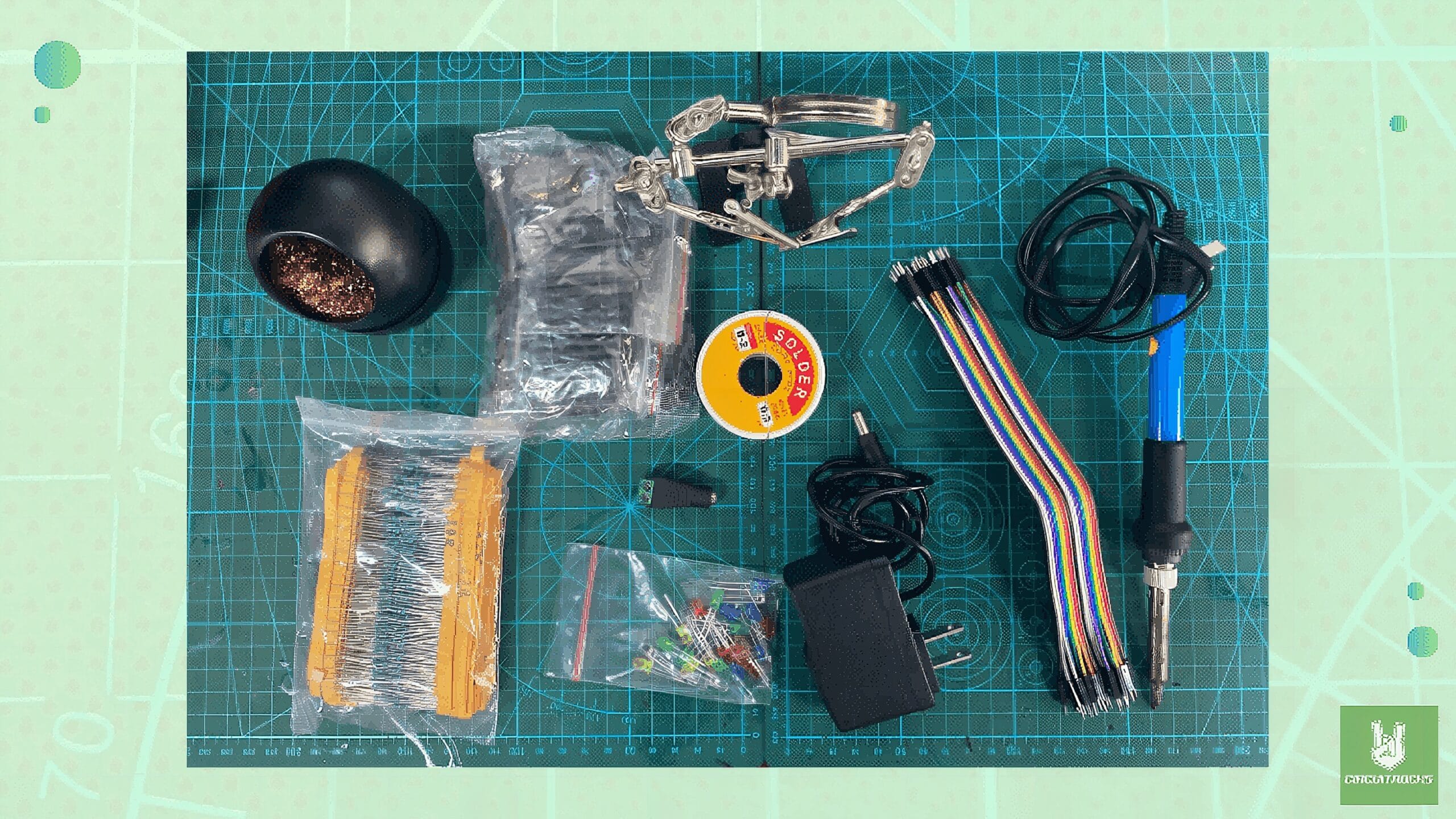
Components
Connection:
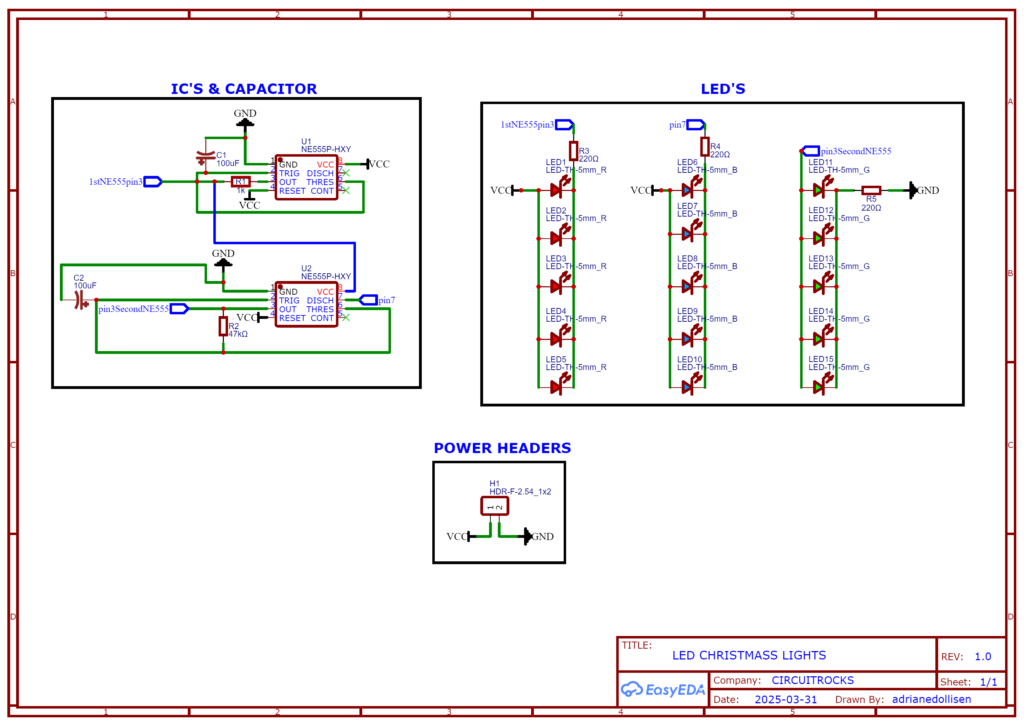
How the Circuit is Series and Parallel

- Series in Each Group:
- Each group of LEDs (e.g., Red, Green, White, Blue, Yellow) is connected in series. The LEDs in a group share the same current, and their forward voltages (VfV_fVf) add up.
- Parallel Across Groups:
- Each series group is connected in parallel to the 12V power supply.
- The groups operate independently, meaning if one group fails, the others continue to work.
- The current for each group is determined by its series resistor.
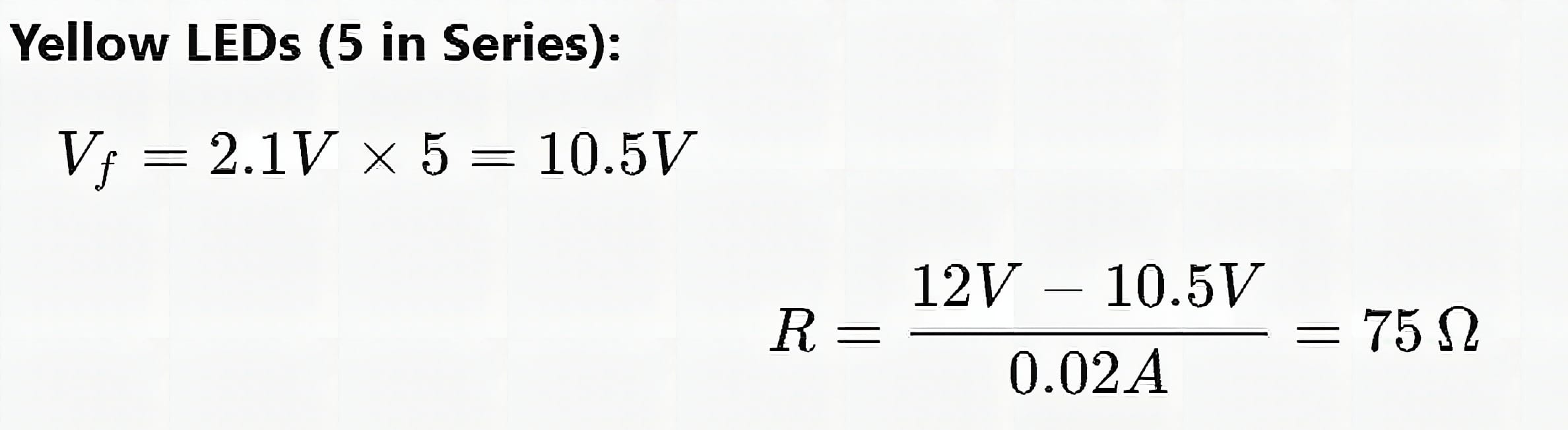
Current Calculation for Each Group:
1. Red LEDs (5 in Series):

2. Green LEDs (5 in Series)
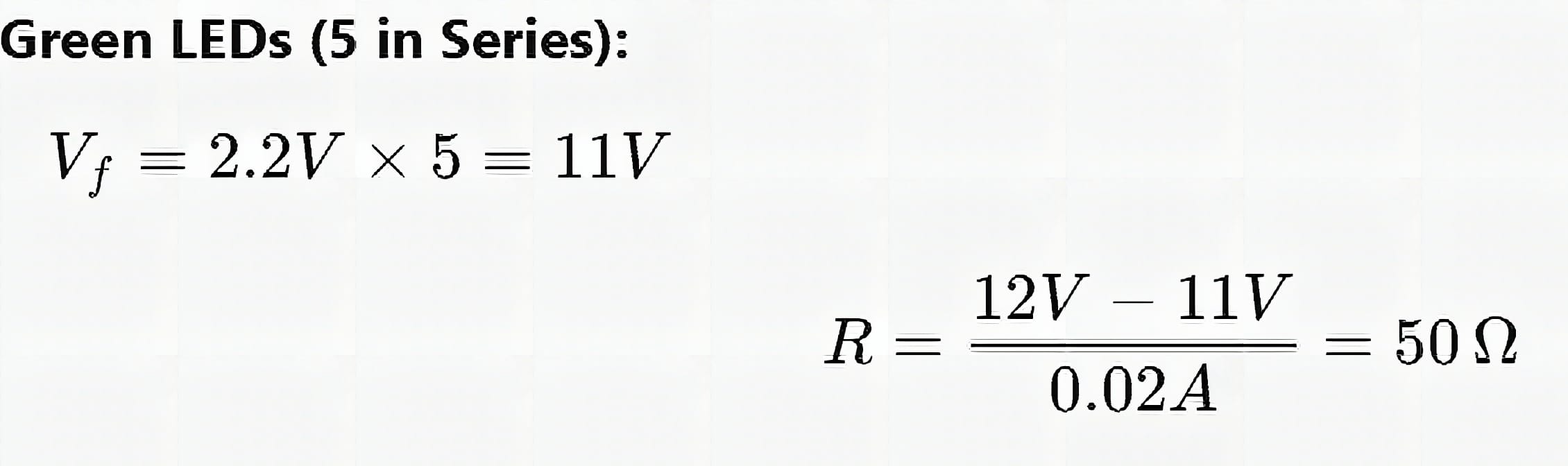
3.Blue LEDs (5 in Series)
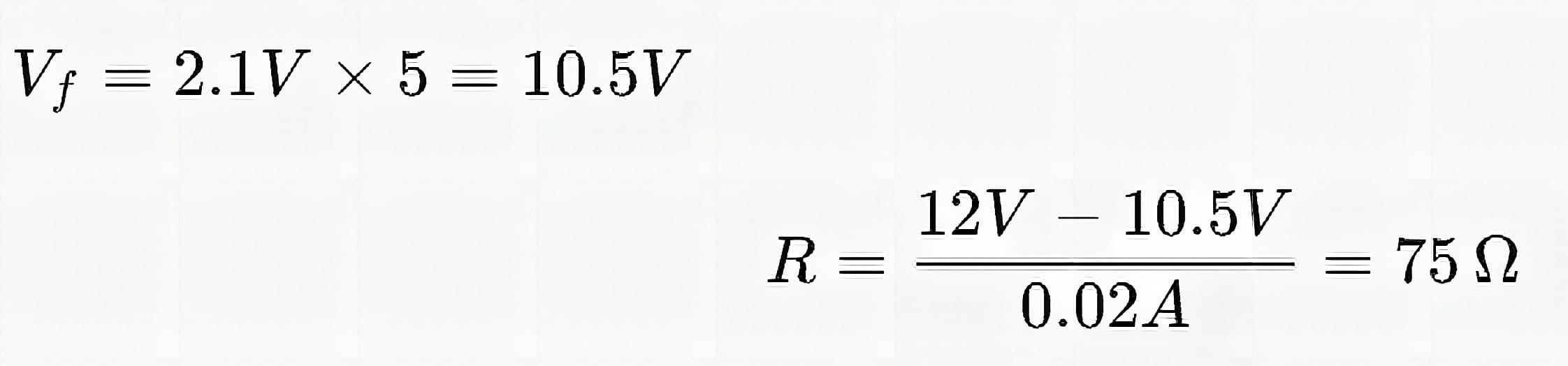
4. Yellow LEDs (5 in Series)
QUICK LINK
Frequently Asked Questions
What does this DIY Christmas LED Calendar tutorial cover?
The DIY LED Christmas Calendar is a simple and festive project perfect for spreading holiday cheer.
What's the working voltage of the DIY Christmas LED Calendar?
Check the Sample Code section for the exact pinout — most maker-grade sensors run on 3.3V or 5V. Wire VCC to the matching rail, GND common with your MCU, data to a digital or analog pin.
Why does the DIY Christmas LED Calendar read garbage or saturated values?
Three usual causes: wrong voltage rail, missing pull-up resistor on I2C lines (4.7k–10k to VCC), or a floating data pin. Double-check wiring against the diagram, then probe with a multimeter.