

In the “Lighting Up the LED Using Body Heat” project, I’ll show you how we can turn body heat into electricity using a Peltier module. By using the Thermoelectric Cooler Peltier SP1848 and the Energy Harvester LTC3108 from CJMCU, we can capture the temperature difference between your body and the surrounding air. This simple yet effective setup shows the potential for sustainable energy solutions. It is especially useful for wearable technology and small-scale electronics.
The magic behind this project lies in the Seebeck effect, which allows us to generate electricity from a temperature difference. The Thermoelectric Cooler Peltier SP1848 is the key part here. When you place it on your skin, one side warms up from your body heat. Meanwhile, the other side stays cooler if you use alcohol or other cooling methods. This difference in temperature causes electrons to move inside the module, creating a small electrical voltage. It’s a fascinating way to tap into the energy around us, especially from something as constant as body heat.
However, this small voltage is not enough to power an LED on its own. To make it strong enough, we use the Energy Harvester LTC3108 module. This component is a highly efficient boost converter that can work with very low input voltages. By connecting the Peltier module to the LTC3108, we can increase the voltage to a level suitable for small devices like LEDs. As a result, this setup not only converts body heat into usable electricity but also offers practical, sustainable power sources for low-energy applications.
Components
Having the right tools makes everything easier. A Third Hand with Magnifying Glass helps hold small parts steady while you work, making soldering more precise. A Soldering Iron is essential for connecting wires, and using good Soldering Lead ensures strong, reliable connections. You’ll also need a Multi Screw Set for assembling everything securely. These tools will help you put the project together quickly and make sure it works well.
Connections:
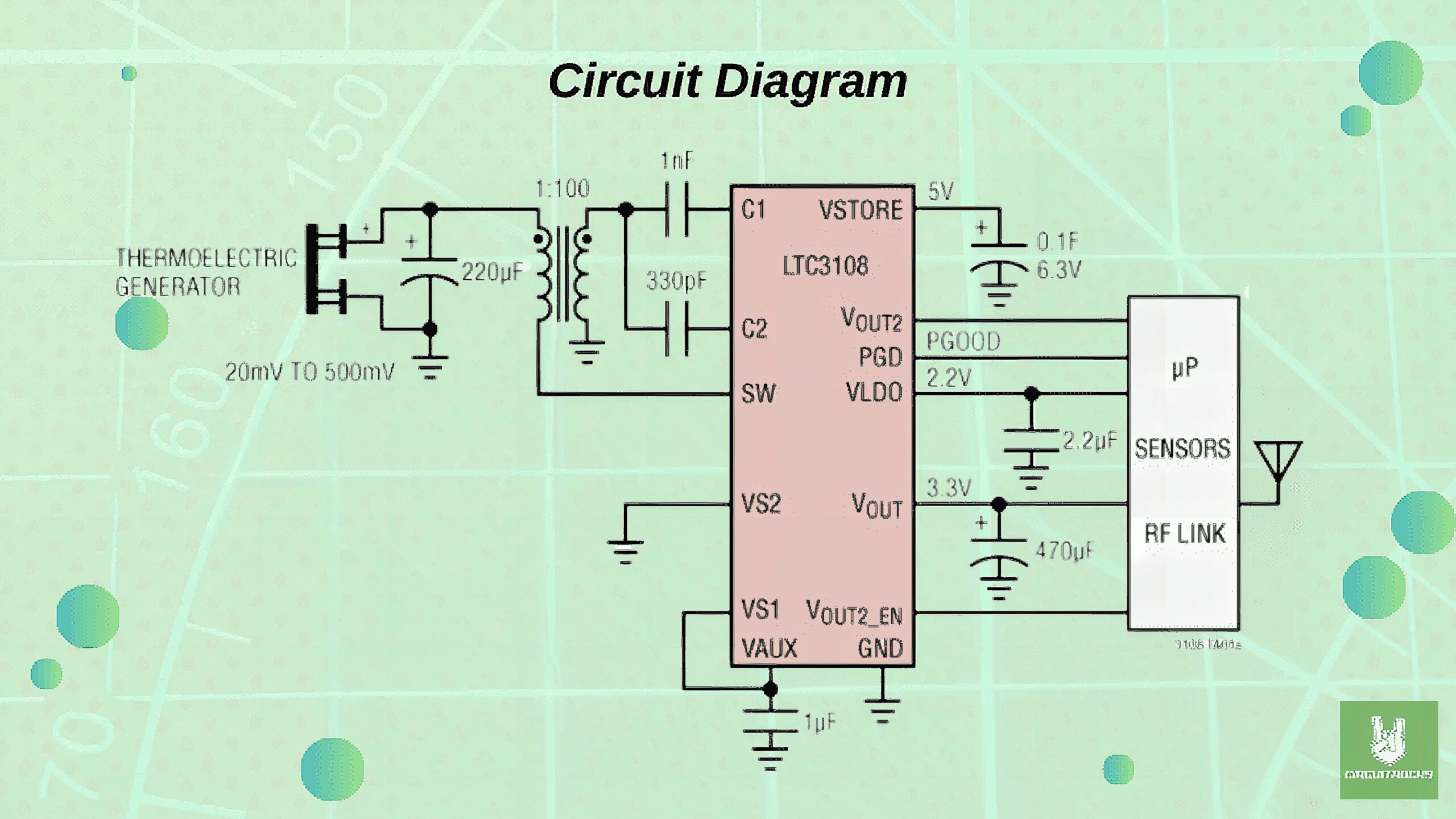
Notes:
- Ensure a sufficient temperature difference across the Peltier module.
- The Coilcraft 752S Transformer is used in conjunction with the LTC3108 module. It steps up the small voltage generated by the Peltier module.
- Identifying the Hot and Cold Sides: The hot side of TEG module usually has labels, markings, or writing on it. Place against the heat source (e.g., skin). The cold side is typically blank or without any labels. Keep this side cool for effective energy generation.
QUICK LINK
Frequently Asked Questions
What does this Lighting Up the LED Using Body Heat tutorial cover?
In the “Lighting Up the LED Using Body Heat” project, I’ll show you how we can turn body heat into electricity using a Peltier module.
What's the working voltage of the Lighting Up the LED Using Body Heat?
Check the Sample Code section for the exact pinout — most maker-grade sensors run on 3.3V or 5V. Wire VCC to the matching rail, GND common with your MCU, data to a digital or analog pin.
Why does the Lighting Up the LED Using Body Heat read garbage or saturated values?
Three usual causes: wrong voltage rail, missing pull-up resistor on I2C lines (4.7k–10k to VCC), or a floating data pin. Double-check wiring against the diagram, then probe with a multimeter.