programming
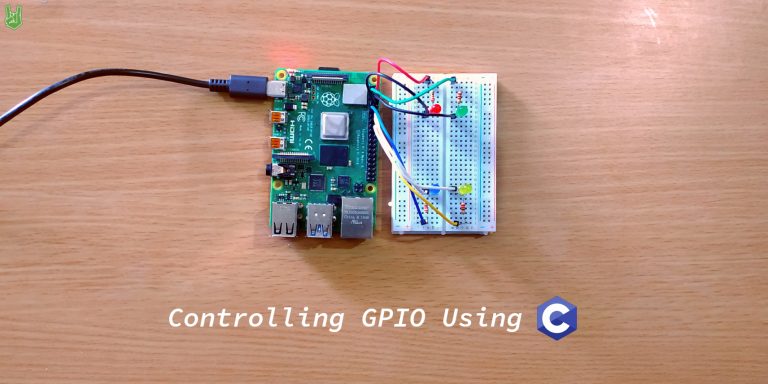
How to Control the Raspberry Pi GPIO using C
A low-level language like C is more efficient in programming microcontrollers because it is closer to machine language. In this tutorial, you will learn…

Concept tutorials — the “why” behind the projects. Theory, math, and design patterns you reuse across builds.
A low-level language like C is more efficient in programming microcontrollers because it is closer to machine language. In this tutorial, you will learn…
Python is what already runs on a Raspberry Pi the moment you boot it. Blink an LED in one line. No compile step, no…
In networking, learning how to control a computer from a distance is akin to a baby’s first steps. It’s the father of the skills…
There are a couple of reasons you may want to configure the Pi to start programs automatically. And honestly, a lot of projects need…
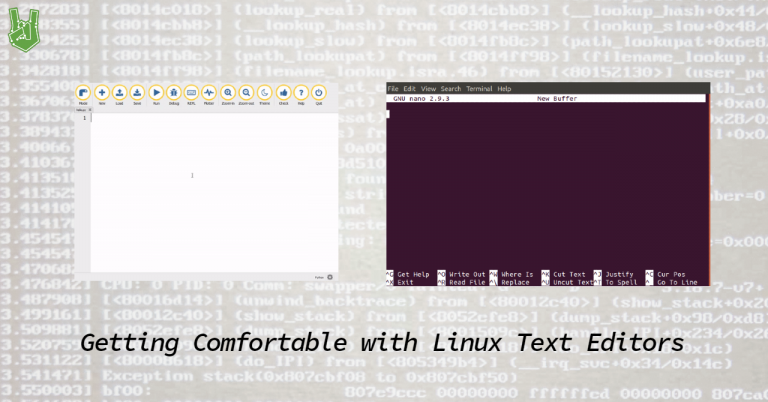
A text editor is a software that writes and edits simple text. They are useful for uncomplicated writing and word processing. Some of their…
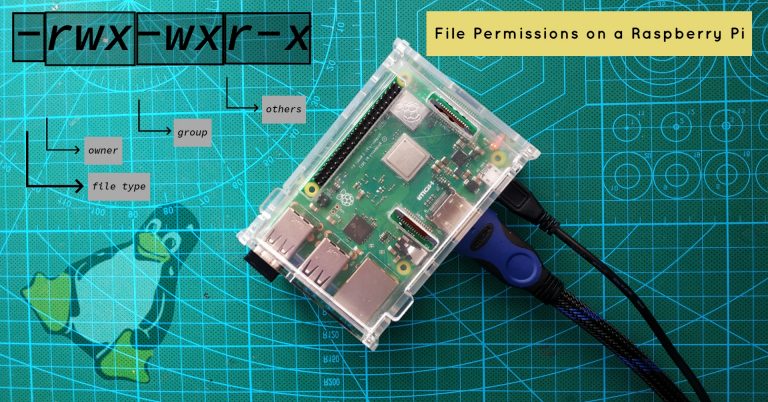
The Debian-based Raspberry Pi OS is a multi-user operating system. This makes it easier for developers to collaborate with a project. However, it comes…
The best thing you can learn about Raspberry Pi is Linux. Not only because it is more powerful than commercial operating systems, but it…
Ever wonder how an.ino file from the Arduino IDE finds its way to an Arduino microcontroller’s flash memory? In this tutorial, we will try…
For the final part of the wired communication protocols series, we are going to discuss SPI, also known as Serial Peripheral Interface.
We’ve already covered wireless technologies and UART. This time we’re looking at Inter-Integrated Circuits, or I2C. I2C I2C (Inter-Integrated Circuits) is a serial communication…
In this new series of articles, we are going to explore wired communication protocols. It will consist of 3 parts, starting with this one…
Welcome to the third part of the basic electronics series! This time we are going to discuss everything you need to know about capacitors,…